
Photography Tips
Natural light is best...
Taking photos outside provides the highest quality and the best natural color tones.
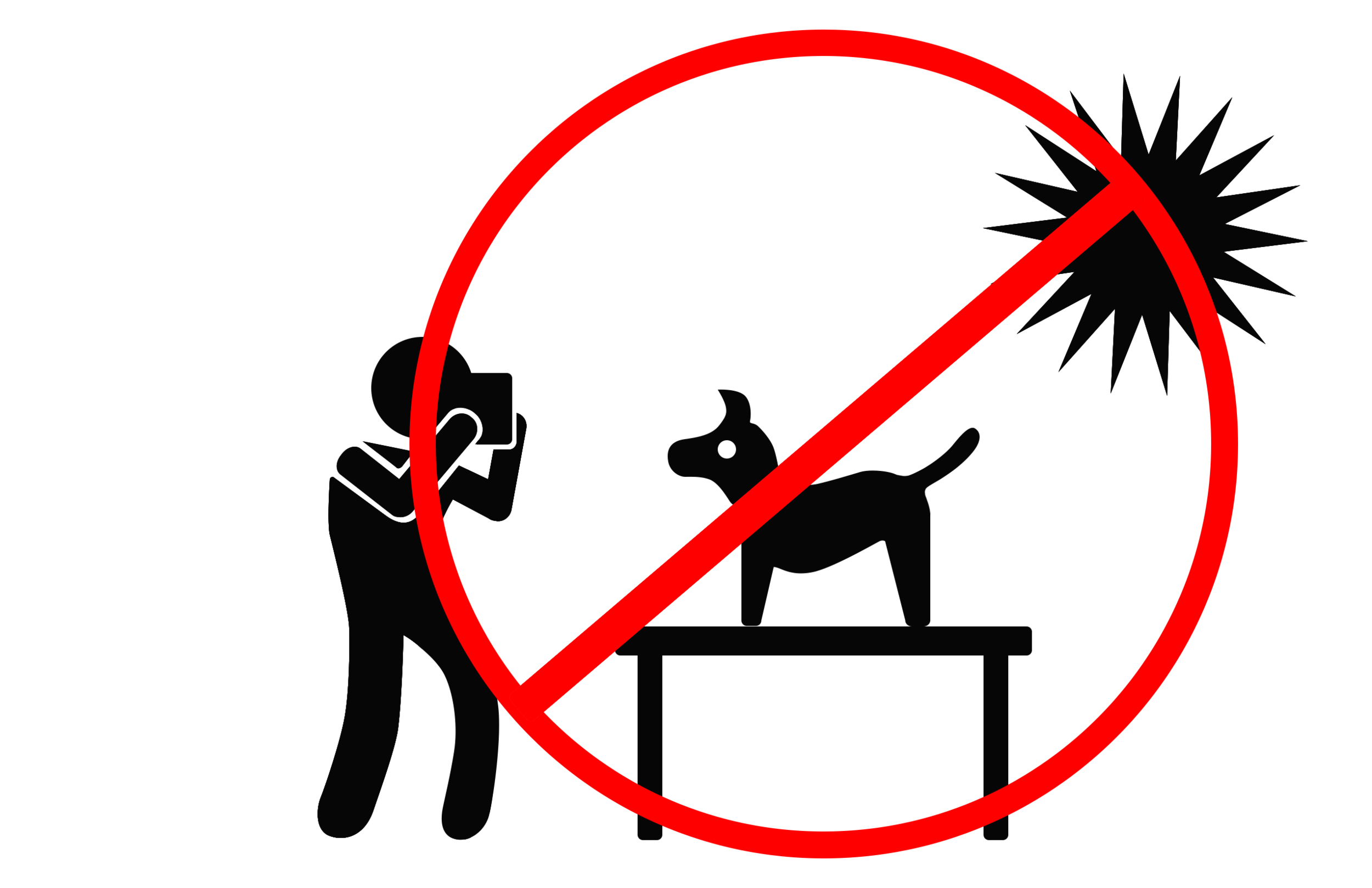
Full sun is good but please be mindful of the suns placement to your subject mater. It can cast hard shadows and hide or alter your subjects features.
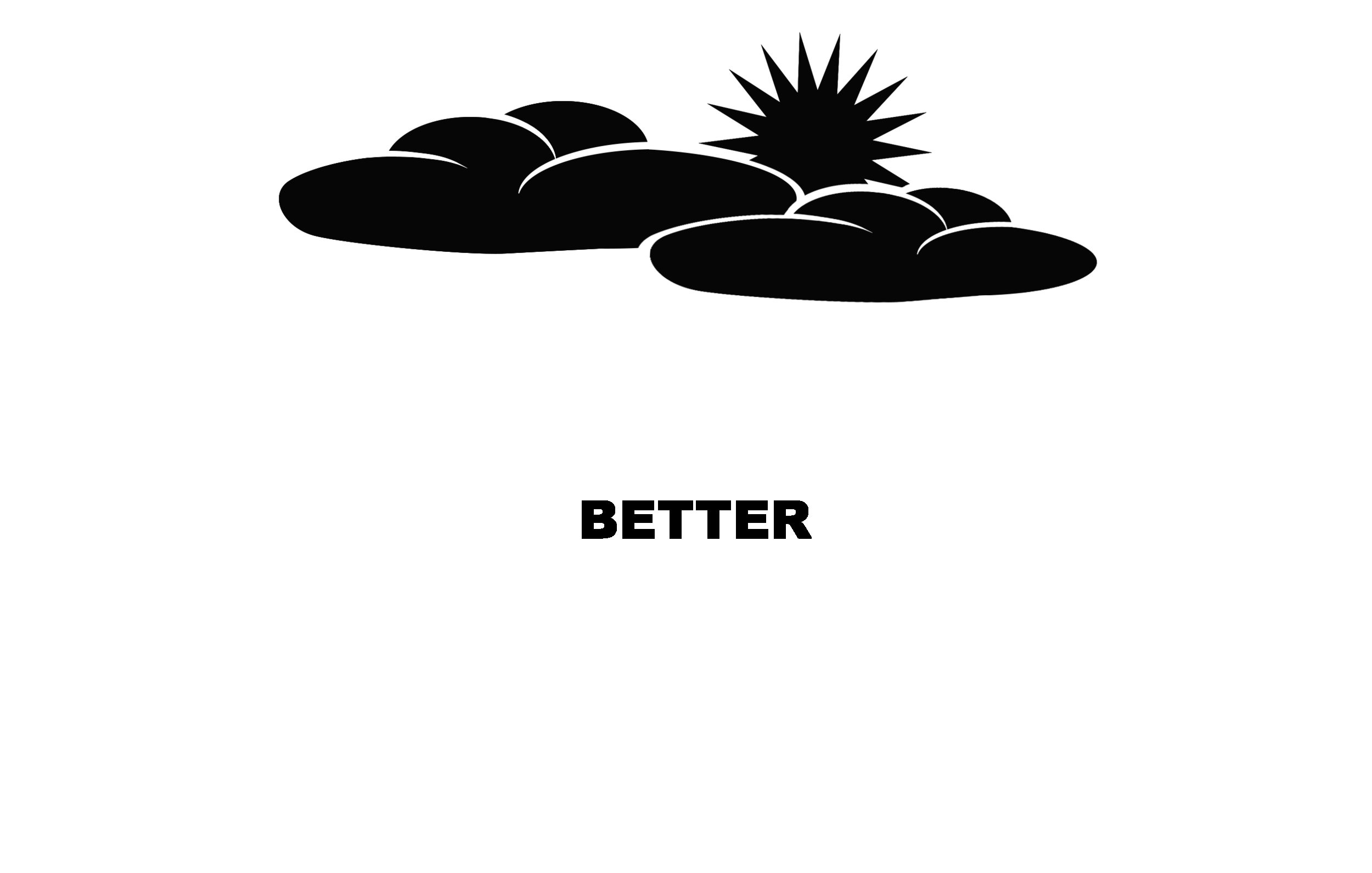
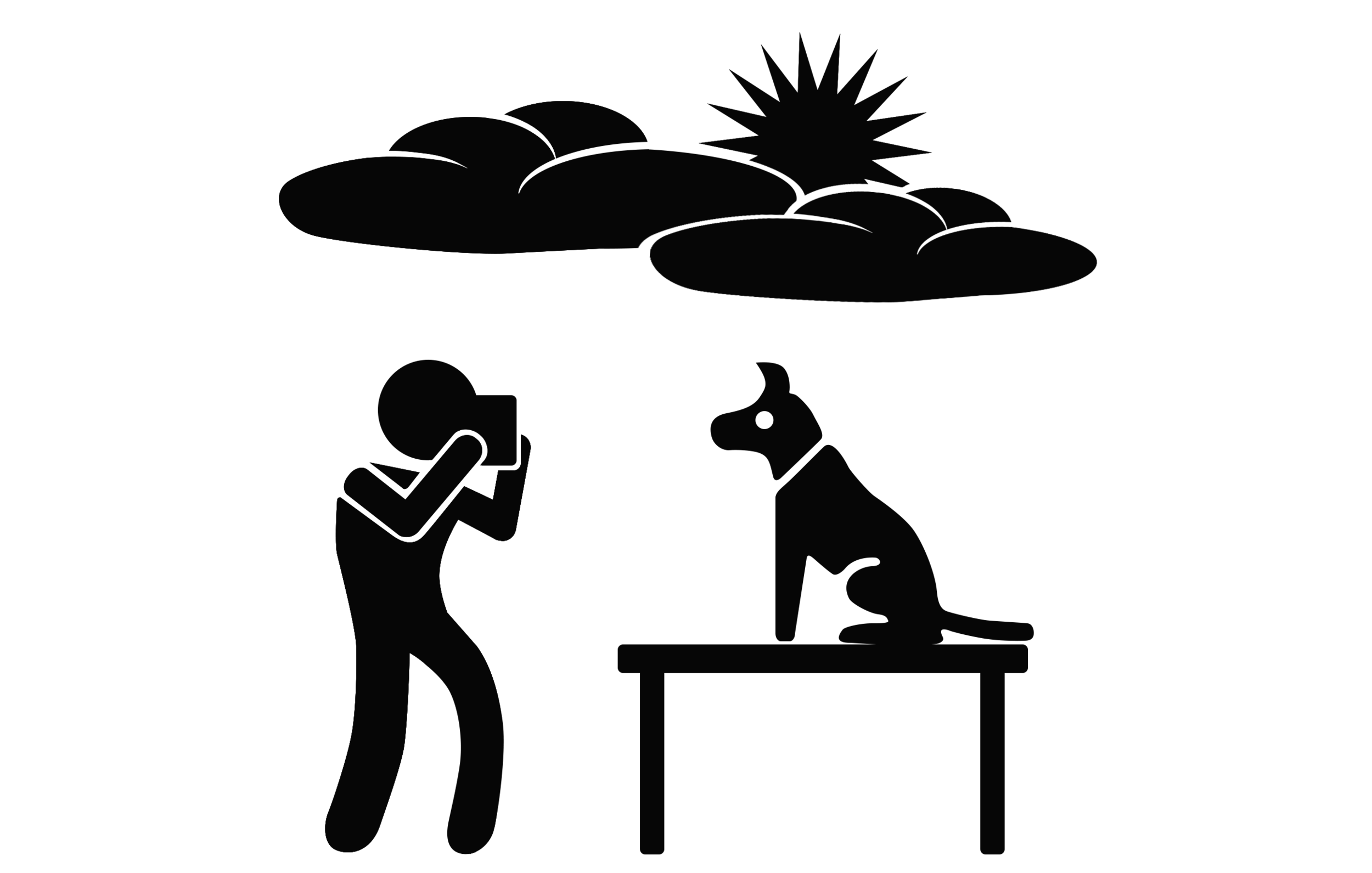
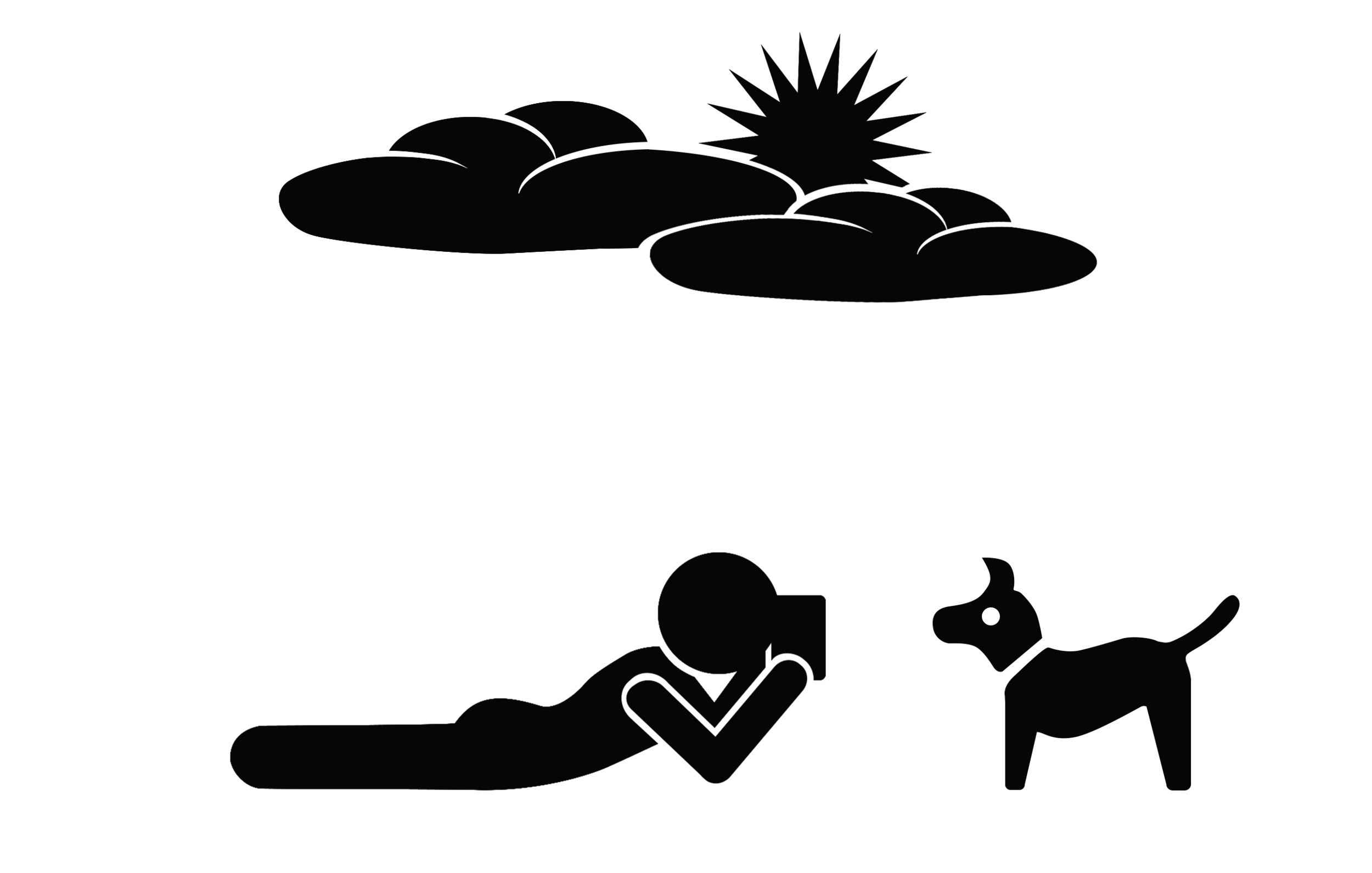
Partly cloudy day is better than full sun but just like full sun you need to be aware of striping of light and shadows casting across your subject.
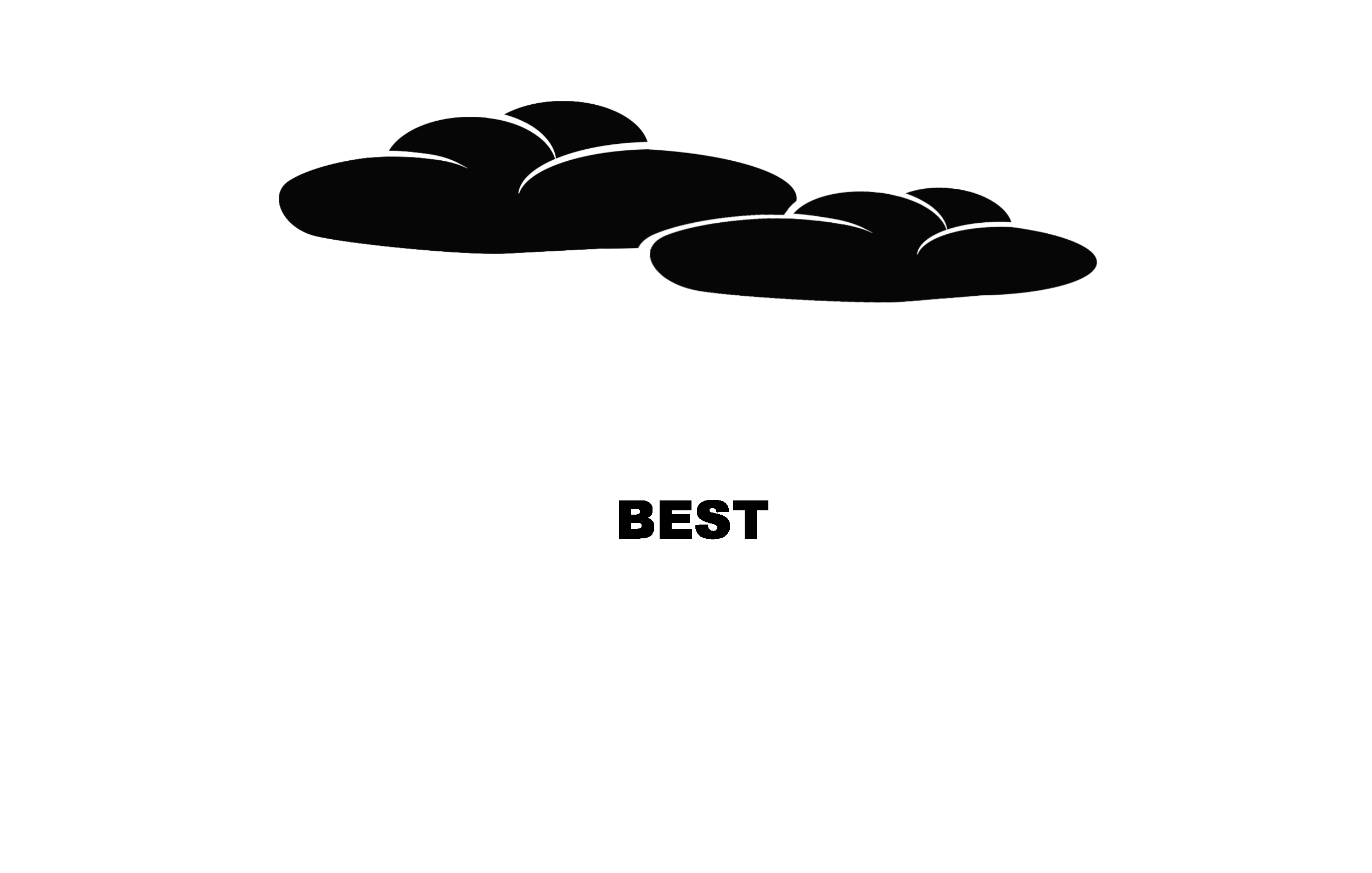
Overcast is the best because of the lack of high contrast between direct harsh light and shadows.

Camera Placement....
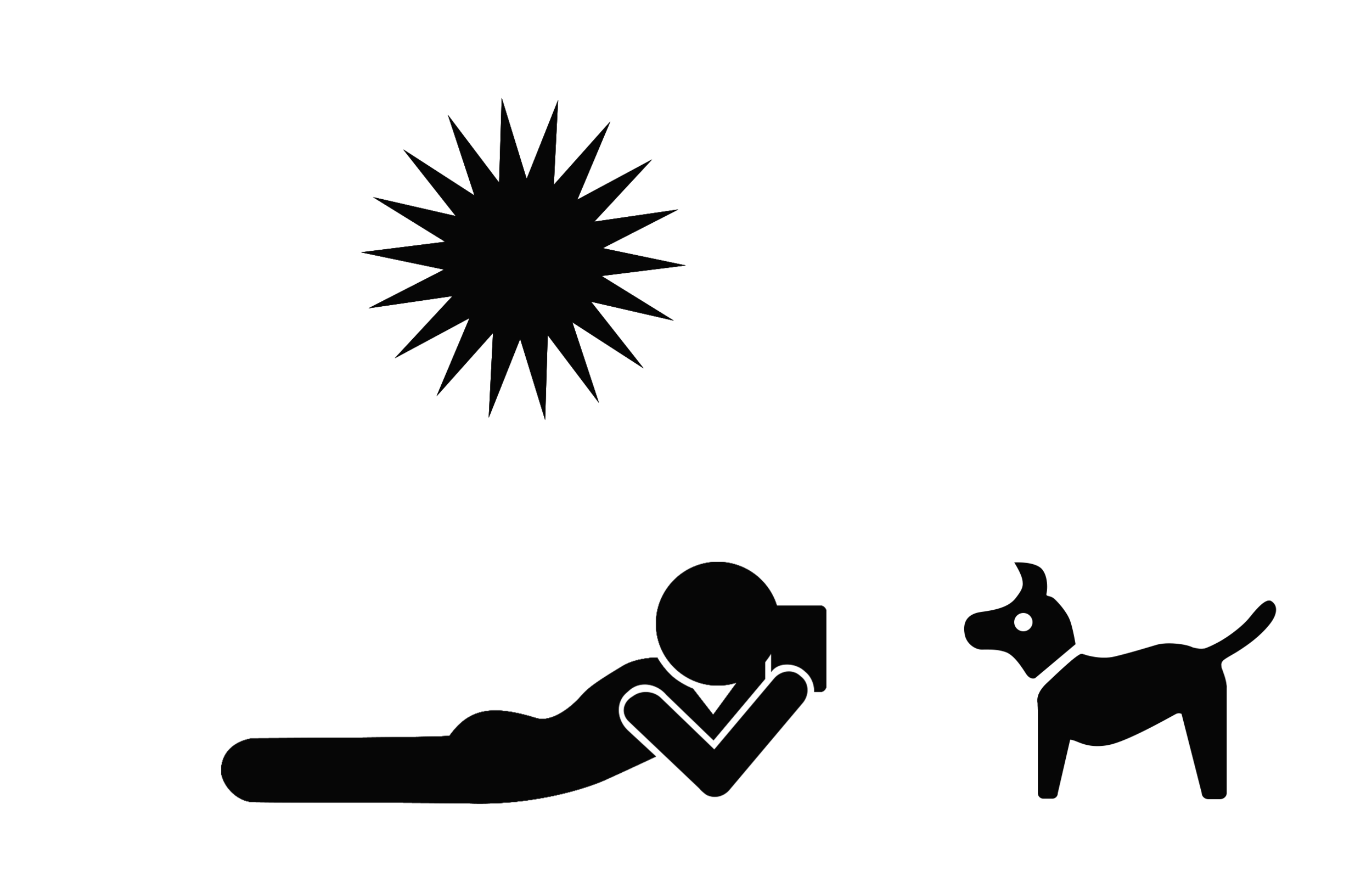
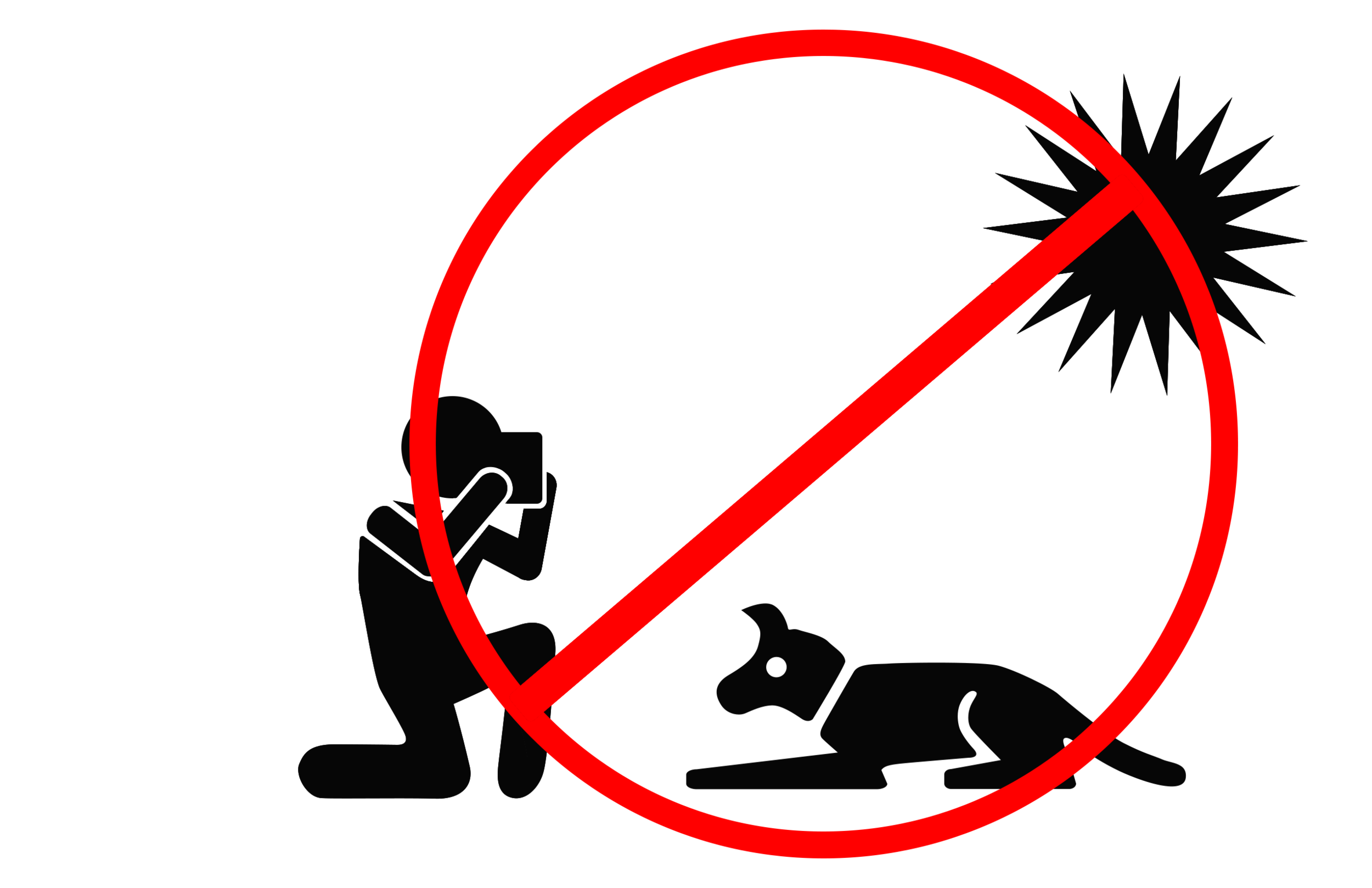
Try to have the camera lens about nose high so your pet is looking straight at the camera.
Images below show some options that may help your photos be the best.
Small Animals...
Place on top of a table, chair, or have someone hold them at camera height if you don't want to lay or kneel on the ground.
Medium Animals...
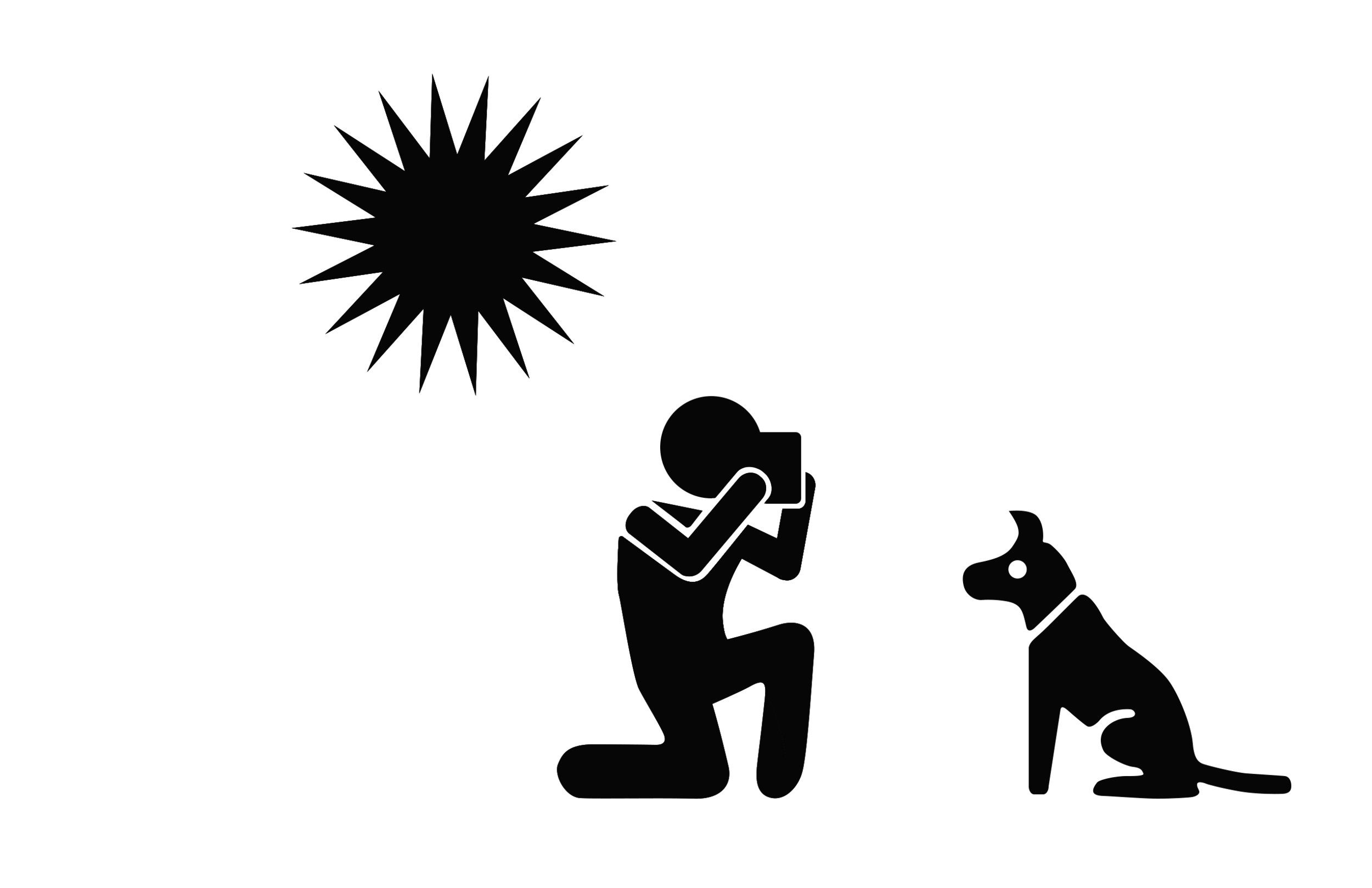
Place on top of a table, chair, or kneel to make the camera lens about nose high of your subject.
Large Animals....
Kneel or stand to make the camera lens about nose high of your subject.
Images for Life Size Portraits....
Please take two images of your pet one photo for the portrait and a second photo with a common object (like a coin or a ruler) held next to your pets nose that can be used as a scale ensuring that the portrait is life size. If the animal wears a collar, you just need to send the width measurement of the collar.
Sun Placement...
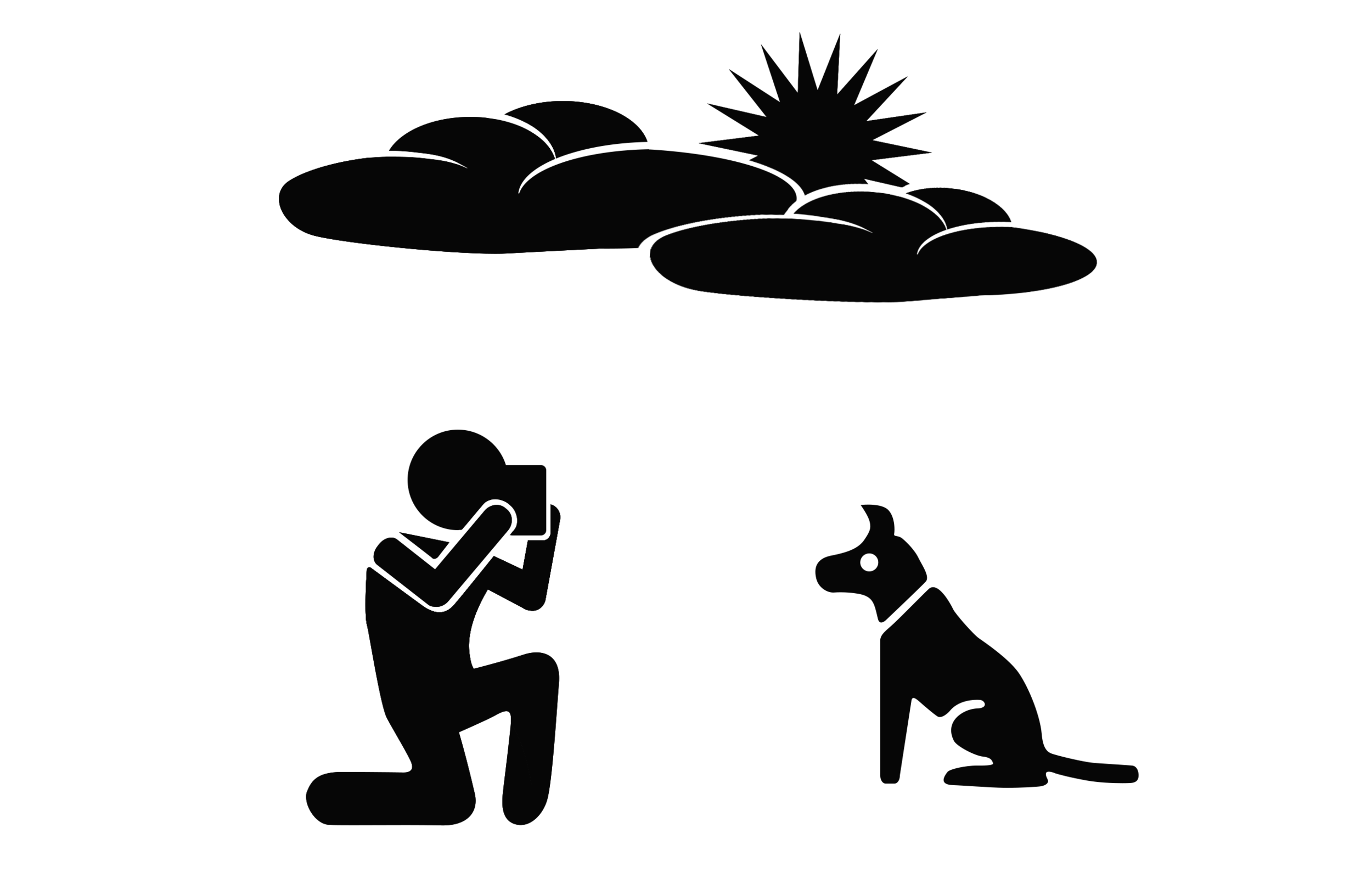
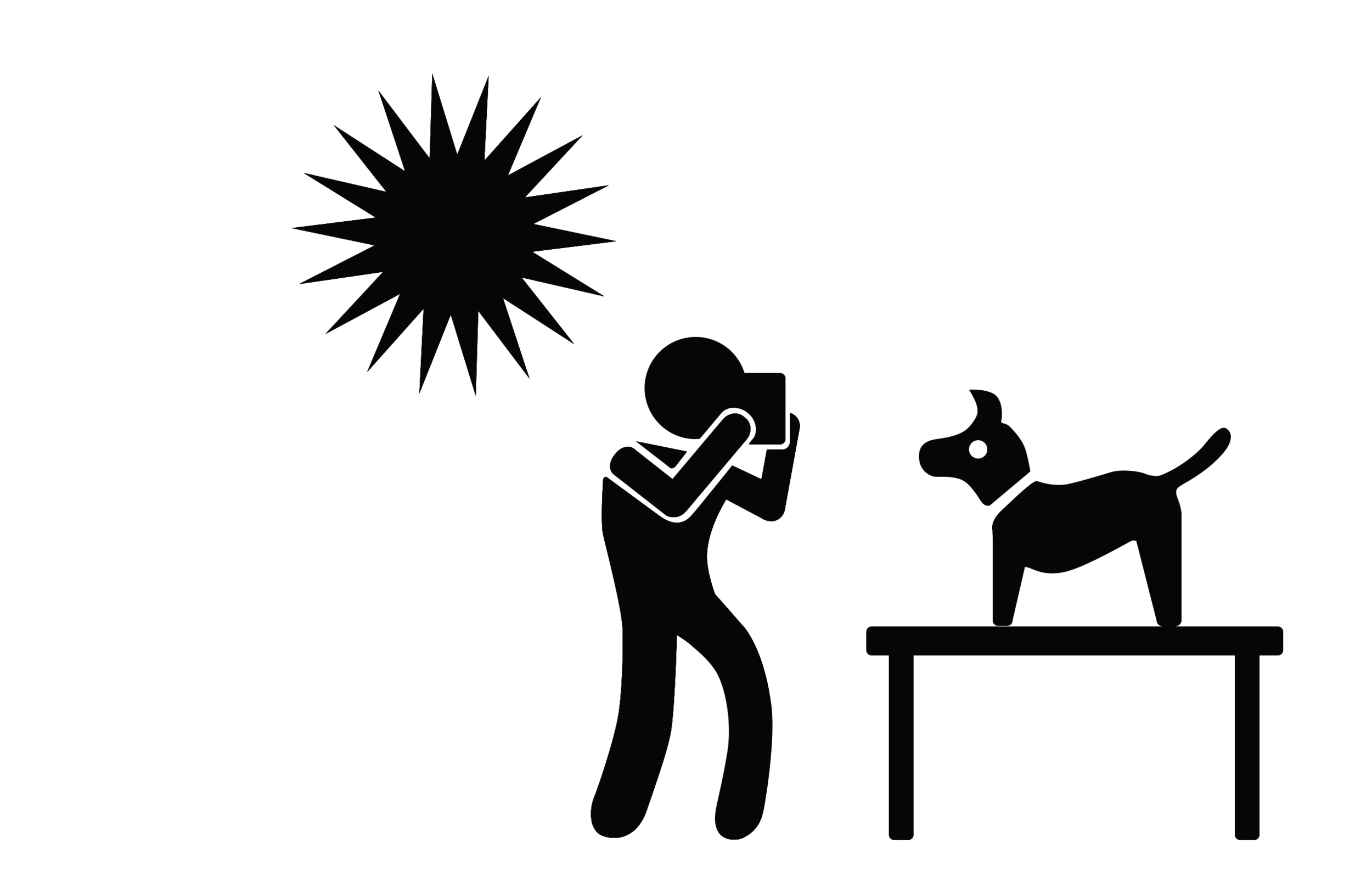
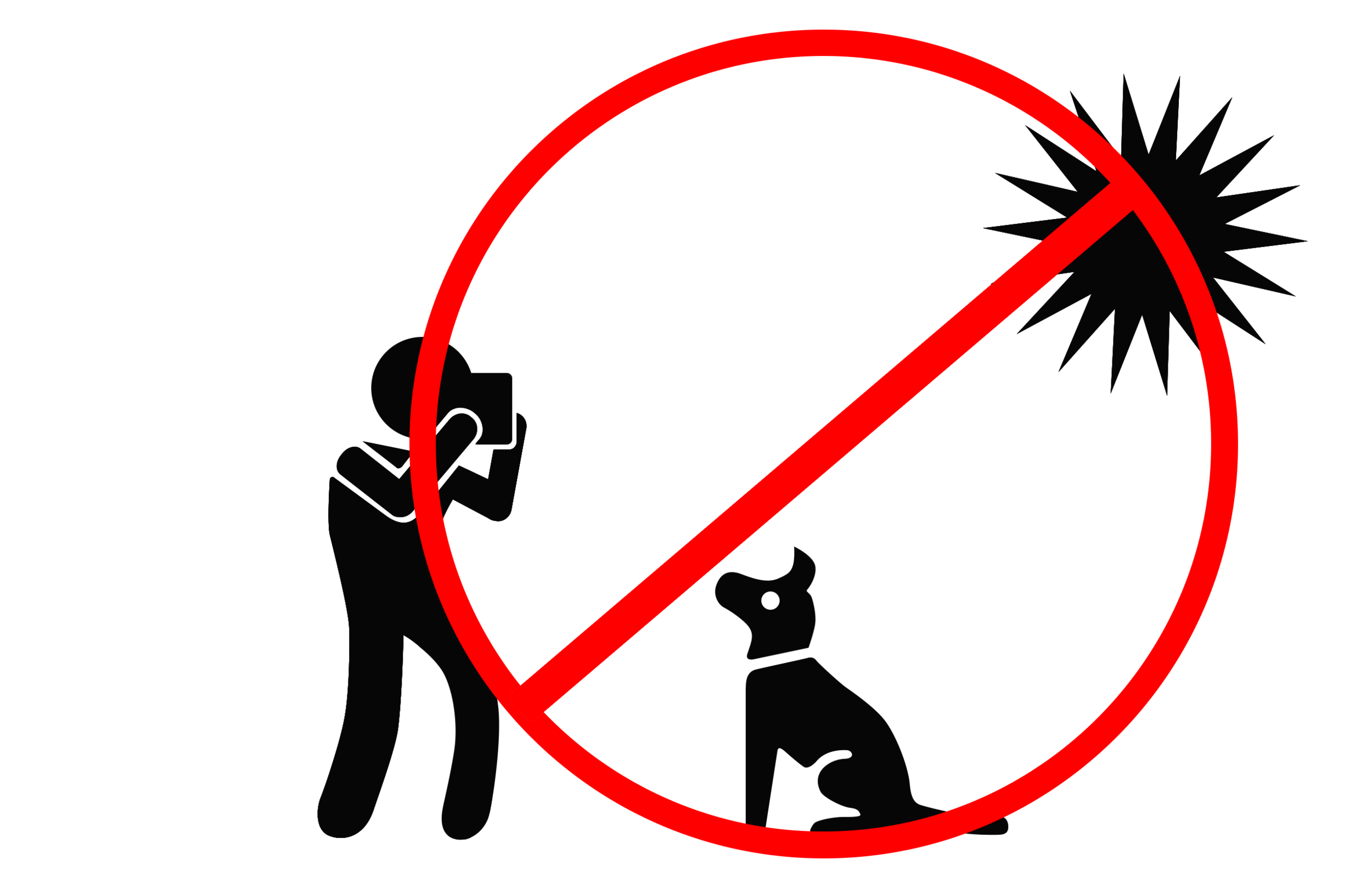
When photographing in full sun or on a partly cloudy day try to have the sun to your back favoring towards one side.
Images below illustrate how to position your body to your subject.
Inside Photos...
Try to let as much natural lighting into the room as possible. Getting your subject as close to the light as possible will help show the natural tones.
Caged Animals...
I know and understand that not all animals can be placed in a natural light setting. So please use the light source that you normally use to view and/or care for your beloved pet.
Quisque iaculis facilisis lacinia. Mauris euismod pellentesque tellus sit amet mollis.